পাঠ্যসূচীৰ মূল সাৰাংশ (Summary) :
প্ৰতীকাত্মক তৰ্কবিজ্ঞানৰ এই অধ্যায়টোত বচনৰ গাঁথনিক বিভাজন আৰু দৈনন্দিন ভাষাৰ গাণিতিক সৰলীকৰণৰ ওপৰত গুৰুত্ব দিয়া হৈছে। ইয়াত যুক্তিসংগতভাৱে অবিভাজ্য 'সৰল বচন' আৰু একাধিক সৰল বচনৰ সমষ্টিৰে গঠিত 'যৌগিক বচন'ৰ ধাৰণা স্পষ্ট কৰা হৈছে। বচনসমূহক সংক্ষিপ্ত ৰূপ দিবলৈ p, q, r আদি 'বচনাত্মক চলক' আৰু সিহঁতৰ মাজৰ তৰ্কীয় সম্পৰ্ক ৰাখিবলৈ নিষেধন (~), সংযোজন (.), বিয়োজন (V), আপাদন (⊃), আৰু সমাৰ্থতা (≡) ৰ দৰে পাঁচটা মূল 'তৰ্কীয় স্থিৰাংক' বা সংযোজক ব্যৱহাৰ কৰা হয়। দৈনন্দিন ভাষাৰ অস্পষ্টতা আৰু আৱেগিক জটিলতা আঁতৰাই যুক্তিৰ কেৱল বিশুদ্ধ আকাৰটোক প্ৰতীকী ৰূপলৈ আনি সত্যতা সৰণীৰ সহায়ত তাৰ তৰ্কীয় বৈধতা বিজ্ঞানসন্মতভাৱে নিৰূপণ কৰাটোৱেই এই গোটটোৰ মূল উদ্দেশ্য।
অতি চমু প্ৰশ্নোত্তৰ :
১/ সৰল বচন (Simple Statement) কাক বোলে?
উত্তৰ: যি বচনক আন কোনো সৰলতৰ অংগ বচনলৈ ভাঙিব বা বিশ্লেষণ কৰিব নোৱাৰি, তাক সৰল বচন বোলে।
২/ যৌগিক বচন (Compound Statement) ৰ এটা মৌলিক উদাহৰণ দিয়া।
উত্তৰ: "বৰষুণ দিছে আৰু বতাহ বলিছে" — এইটো এটা যৌগিক বচন।
৩/ প্ৰতীকাত্মক তৰ্কবিজ্ঞানত 'সংযোজন' (Conjunction) বুজাবলৈ কি চিহ্ন ব্যৱহাৰ কৰা হয়?
উত্তৰ: সংযোজন বুজাবলৈ '.' (ডট বা বিন্দু) চিহ্ন ব্যৱহাৰ কৰা হয়।
৪/ বচনাত্মক চলক (Propositional Variable) বুলিলে কি বুজা?
উত্তৰ: কোনো নিৰ্দিষ্ট সৰল বচনৰ পৰিৱৰ্তে ব্যৱহাৰ কৰা $p, q, r, s$ আদি ইংৰাজী সৰু আখৰবোৰক বচনাত্মক চলক বোলে।
৫/ এটা সংযোজন বচন কেতিয়া সত্য হয়?
উত্তৰ: যেতিয়া ইয়াৰ অন্তৰ্গত আটাইবোৰ অংগ বচন একেলগে সত্য হয়, তেতিয়াই সংযোজন বচনটো সত্য হয়।
৬/ বিয়োজন বচন (Disjunction) প্ৰকাশ কৰিবলৈ কি তৰ্কীয় প্ৰতীক ব্যৱহাৰ কৰা হয়?
উত্তৰ: বিয়োজন বুজাবলৈ '$\lor$' (Vee বা ভেল) প্ৰতীক ব্যৱহাৰ কৰা হয়।
৭/ 'নঞ্থক বচন' (Negation) প্ৰকাশ কৰা তৰ্কীয় স্থিৰাংকটো কি?
উত্তৰ: নঞ্থক বচন প্ৰকাশ কৰিবলৈ '$\sim$' (Tilde বা টিল্ডা) চিহ্ন ব্যৱহাৰ কৰা হয়।
৮/ আপাতিক বা চৰ্তমূলক বচন (Material Implication) কিহৰ দ্বাৰা প্ৰকাশ কৰা হয়?
উত্তৰ: ইয়াৰ বাবে '⊃' (Horseshoe বা ঘোঁৰাৰ খুৰা) প্ৰতীক ব্যৱহাৰ কৰা হয়।
৯/ সমাৰ্থতা বা দ্বি-আনিৰ্ভৰণ (Bi-conditional) বচনৰ প্ৰতীকটো কি?
উত্তৰ: ইয়াৰ তৰ্কীয় প্ৰতীক হ'ল '≡' (Triple bar বা ত্ৰি-ৰেখা)।
১০/ "যদি বৰষুণ দিয়ে, তেন্তে খেতি ভাল হ’ব" — এইটো কি ধৰণৰ বচন?
উত্তৰ: এইটো এটা আপাতিক বা চৰ্তমূলক যৌগিক বচন।
১১/ দৈনন্দিন ভাষাৰ প্ৰতীকীকৰণৰ (Symbolization) প্ৰধান লক্ষ্য কি?
উত্তৰ: দৈনন্দিন ভাষাৰ অস্পষ্টতা আৰু জটিলতা দূৰ কৰি যুক্তিৰ আকাৰটোক গাণিতিকভাৱে স্পষ্ট কৰি তোলাটোৱেই ইয়াৰ প্ৰধান লক্ষ্য।
১২/ "ৰাম আহিব অথবা হৰি আহিব" — ইয়াত কি তৰ্কীয় সংযোজক ব্যৱহাৰ হৈছে?
উত্তৰ: ইয়াত বিয়োজন (Disjunction) বা 'অথবা' সংযোজক ব্যৱহাৰ কৰা হৈছে।
১৩/ এটা সৰল বচনৰ সম্ভাৱ্য সত্যতা মূল্য (Truth Value) কেইটা আৰু কি কি?
উত্তৰ: দুটা; সত্য (T) আৰু অসত্য (F)।
১৪/ তৰ্কবিজ্ঞানত স্থিৰাংক (Constant) কি?
উত্তৰ: কোনো নিৰ্দিষ্ট যুক্তিত যিবোৰ প্ৰতীকৰ তৰ্কীয় অৰ্থ সদায় অপৰিৱৰ্তিত থাকে, তাক তৰ্কীয় স্থিৰাংক বোলে (যেনে: $\cdot, \lor$)।
১৫/ "আজাদ অসমলৈ নগ’ল" — বচনটোৰ প্ৰতীকাত্মক ৰূপ কেনেকুৱা হ’ব? (ধৰা হ’ল আজাদ অসমলৈ যোৱা = A)
উত্তৰ: ইয়াৰ প্ৰতীকাত্মক ৰূপ হ’ব ~A।
১৬/ "ৰাধা আৰু কৃষ্ণ দুয়ো মেধাবী" — এই বচনটোৰ তৰ্কীয় আকাৰ কি?
উত্তৰ: ইয়াৰ তৰ্কীয় আকাৰ হ'ল সংযোজক বচন, অৰ্থাৎ p . q।
১৭/ তৰ্কীয় সংযোজকৰ (Logical Connectives) মূল কাম কি?
উত্তৰ: তৰ্কীয় সংযোজকৰ কাম হ'ল সৰল বচনসমূহক একত্ৰিত কৰি নতুন যৌগিক বচন গঠন কৰা।
১৮/ "p ⊃ q" বচনটো কেতিয়া অসত্য (F) হয়?
উত্তৰ: যেতিয়া ইয়াৰ প্ৰথম অংশ (পূৰ্বৱৰ্তী p) সত্য আৰু দ্বিতীয় অংশ (অনুৱৰ্তী q) অসত্য হয়, তেতিয়াই ই অসত্য হয়।
১৯/ আধুনিক প্ৰতীকাত্মক তৰ্কবিজ্ঞানৰ ভেটি স্থাপন কৰা জাৰ্মান গণিতজ্ঞ তথা তৰ্কবিদজন কোন?
উত্তৰ: গট্লব ফ্ৰেগে (Gottlob Frege)।
২০/ যৌগিক বচনৰ সত্যতা মূল্য কিহৰ ওপৰত নিৰ্ভৰ কৰে?
উত্তৰ: ইয়াৰ অংগ বচনসমূহৰ সত্যতা মূল্য আৰু ব্যৱহৃত তৰ্কীয় সংযোজকসমূহৰ প্ৰকৃতিৰ ওপৰত নিৰ্ভৰ কৰে।
চমু প্ৰশ্নোত্তৰ (২ নম্বৰীয়া):
১/ সৰল বচন আৰু যৌগিক বচনৰ মাজৰ মূল পাৰ্থক্য কি?
উত্তৰ: সৰল বচনত কোনো সুকীয়া অংগ বচন নাথাকে আৰু ইয়াক যুক্তিসংগতভাৱে বিভক্ত কৰিব নোৱাৰি। আনহাতে, যৌগিক বচন একাধিক সৰল বচনৰ সংমিশ্ৰণত গঠিত হয় আৰু ইয়াক ভাঙিলে স্বতন্ত্ৰ অংগ বচন পোৱা যায়।
২/ তৰ্কীয় চলক (Variables) আৰু তৰ্কীয় স্থিৰাংক (Constants)ৰ মাজৰ পাৰ্থক্য দেখুওৱা।
উত্তৰ: তৰ্কীয় চলকে (p, q) যিকোনো বচনক প্ৰতিনিধিত্ব কৰিব পাৰে আৰু ইয়াৰ স্থানত যিকোনো মান বহুৱাব পাৰি। কিন্তু তৰ্কীয় স্থিৰাংকে (., V, ~) এক নিৰ্দিষ্ট অপৰিৱৰ্তনীয় তৰ্কীয় সম্পৰ্ককহে বুজায়।
৩/ সংযোজন বচন (Conjunctive Statement) কাক বোলে? এটা আৰ্হি উদাহৰণ দিয়া।
উত্তৰ: যি যৌগিক বচনত দুটা সৰল বচনক 'আৰু', 'তথাপি', 'অথচ' আদি সংযোজকৰ দ্বাৰা যুক্ত কৰা হয়, তাক সংযোজন বচন বোলে। যেনে: "পৃথিৱী ঘূৰণীয়া আৰু সূৰ্য স্থিৰ" (প্ৰতীকী ৰূপ: p .q)।
৪/ বিয়োজন বচন (Disjunction) ৰ ক্ষীণাৰ্থক বা অন্তৰ্ভুক্ত (Inclusive) অৰ্থ কি?
উত্তৰ: অন্তৰ্ভুক্ত অৰ্থত ব্যৱহৃত 'অথবা'ই বুজায় যে বিয়োজনটোৰ অন্তৰ্গত দুয়োটা বিকল্পই একেলগে সত্য হ’ব পাৰে। যেনে: "আৱেদনকাৰীজন স্নাতক বা স্নাতকোত্তৰ ডিগ্ৰীধাৰী হ'ব লাগিব" (ইয়াত এজনৰ দুয়োটা ডিগ্ৰী থাকিলেও গ্ৰহণযোগ্য)।
৫/ বিয়োজন বচনৰ একান্ত বা বহিৰ্ভুক্ত (Exclusive) অৰ্থ বুলিলে কি বুজা?
উত্তৰ: বহিৰ্ভুক্ত অৰ্থত ব্যৱহৃত 'অথবা'ই বুজায় যে বিয়োজনৰ বিকল্প দুটাৰ যিকোনো এটাইহে সত্য হ’ব পাৰে, দুয়োটা একেলগে সত্য হ’ব নোৱাৰে। যেনে: "ৰাম বৰ্তমান দিল্লীত আছে অথবা গুৱাহাটীত আছে"।
৬/ আপাতিক বচনৰ পূৰ্বৱৰ্তী (Antecedent) আৰু অনুৱৰ্তী (Consequent) কি?
উত্তৰ: এটা চৰ্তমূলক বচন "p ⊃ q" ৰ 'যদি' অংশক বা প্ৰথম বচন (p) ক পূৰ্বৱৰ্তী বোলা হয় আৰু 'তেন্তে' অংশক বা দ্বিতীয় বচন (q) ক অনুৱৰ্তী বোলা হয়।
৭/ দ্বি-আনিৰ্ভৰণ বা সমাৰ্থক বচন (Equivalence) কেতিয়া সত্য হয়?
উত্তৰ: যেতিয়া ইয়াৰ দুয়োটা অংগ বচনৰ সত্যতা মূল্য একে হয়। অৰ্থাৎ দুয়োটা অংগ বচন একেলগে সত্য (T) হ’লে বা দুয়োটা একেলগে অসত্য (F) হ’লেহে সমাৰ্থক বচনটো সত্য হয়।
৮/ দৈনন্দিন ভাষাৰ প্ৰতীকীকৰণ কৰোঁতে ল’বলগীয়া দুটা প্ৰধান সতৰ্কতা কি কি?
উত্তৰ:
১/ বাক্যটোৰ বাহ্যিক ব্যাকৰণগত ৰূপতকৈ তাৰ অন্তৰ্নিহিত প্ৰকৃত তৰ্কীয় অৰ্থটোহে বুজি লব লাগে।
২/ বাক্যত থকা প্ৰতিটো পৃথক সৰল বচনৰ বাবে সুকীয়া সুকীয়া চলক নিৰ্ধাৰণ কৰিব লাগে।
৯/ "যদি চন্দ্ৰ উদয় হয় তেন্তে আন্ধাৰ দূৰ হ’ব কিন্তু বতাহ নবলে" — ইয়াৰ প্ৰতীকাত্মক ৰূপ কি হ’ব?
উত্তৰ: ধৰা হ’ল চন্দ্ৰ উদয় হোৱা = C, আন্ধাৰ দূৰ হোৱা = D, বতাহ বলা = W।
গতিকে ইয়াৰ প্ৰতীকাত্মক ৰূপ হ’ব: C ⊃ t (D . ~ W)।
১০/ সত্যতা-ফলকীয় বচন (Truth-functional Statement) কাক বোলে?
উত্তৰ: যিবোৰ যৌগিক বচনৰ সামগ্ৰিক সত্য বা অসত্য ৰূপটো সম্পূৰ্ণৰূপে ইয়াৰ অন্তৰ্গত সৰল অংগ বচনসমূহৰ সত্যতা মূল্যৰ ওপৰত নিৰ্ভৰ কৰে, সেইবোৰক সত্যতা-ফলকীয় বচন বোলে।
১১/ নঞ্থক বচনক (Negation) কিয় এটা যৌগিক বচন হিচাপে গণ্য কৰা হয়?
উত্তৰ: কাৰণ নঞ্থক বচনে সদায় এটা মূল বচনৰ ওপৰত ক্ৰিয়া কৰি এক নতুন সত্যতা মূল্য গঠন কৰে। ইয়াৰ সত্যতা মূল্য স্বতন্ত্ৰ নহয়, ই মূল বচনটোৰ বিপৰীত মূল্যৰ ওপৰত নিৰ্ভৰশীল।
১২/ "প্ৰকাশ আৰু বিকাশ ককাই-ভাই" — এই বাক্যটোক তৰ্কীয়ভাৱে প্ৰতীকীকৰণ কৰিব পাৰিনে? কাৰণ দৰ্শাই লিখা।
উত্তৰ: নোৱাৰি। ইয়াত 'আৰু' শব্দটোৱে দুটা সুকীয়া বচনক যোগ কৰা নাই, বৰঞ্চ দুজন ব্যক্তিৰ মাজৰ এক পাৰস্পৰিক সম্পৰ্কহে বুজাইছে। গতিকে ই এটা সৰল বচনহে, যাক কেৱল এটা চলক (যেনে: $B$) ধৰি প্ৰকাশ কৰিব লাগিব।
১৩/ "p ≡ q" ৰ সত্যতা সৰণীখন (Truth Table) কেনেকুৱা হ’ব দেখুওৱা।
উত্তৰ:
T ≡ T → T
T ≡ F → F
F ≡ T → F
F ≡ F → T
১৪/ প্ৰতীকাত্মক তৰ্কবিজ্ঞানত বন্ধনী বা ব্ৰেকেট (Brackets)ৰ ব্যৱহাৰ কিয় অপৰিহাৰ্য?
উত্তৰ: বন্ধনীৰ ব্যৱহাৰে এটা জটিল যৌগিক বচনৰ মূল সংযোজক কোনটো তাক নিৰ্ধাৰণ কৰে আৰু বচনটোৰ পৰিসৰ স্পষ্ট কৰে। বন্ধনী ব্যৱহাৰ নকৰিলে বচনটো অৰ্থহীন বা দ্ব্যৰ্থবোধক হৈ পৰে।
১৫/ "যদিও তেওঁ দৰিদ্ৰ, তথাপিও তেওঁ উদাৰ" — ইয়াৰ তৰ্কীয় সংযোজক কি হ’ব আৰু কিয়?
উত্তৰ: ইয়াৰ তৰ্কীয় সংযোজক হ’ব 'সংযোজন' (.)। কাৰণ দৈনন্দিন ভাষাৰ 'যদিও... তথাপিও' শব্দই দুয়োটা বচন সমানে সঁচা বুলি একেলগে প্ৰকাশ কৰে, যাৰ প্ৰকৃত অৰ্থ তৰ্কবিজ্ঞানত 'আৰু' সংযোজকৰ সমতুল্য।
১৬/ "p V q" বচনটো কেতিয়া আৰু কোনটো পৰিস্থিতিত অসত্য (F) হয়?
উত্তৰ: বিয়োজন বচন "p V q" কেৱল তেতিয়াই অসত্য (F) হয়, যেতিয়া ইয়াৰ অন্তৰ্গত দুয়োটা বিকল্প বচন (অৰ্থাৎ p আৰু q দুয়োটা) একেলগে অসত্য বা মিছা হয়।
১৭/ তৰ্কবিজ্ঞানত ব্যৱহৃত ৫ টা প্ৰধান তৰ্কীয় সংযোজকৰ নাম আৰু প্ৰতীকী চিনবোৰ লিখা।
উত্তৰ:
১/ নঞ্থক বা নিষেধন (~)
২/ সংযোজন (.)
৩/ বিয়োজন (V )
৪/ আপাদন বা চৰ্তমূলক (⊃)
৫/ সমাৰ্থতা বা দ্বি-আনিৰ্ভৰণ (≡)
১৮/ "মই অসমীয়া পঢ়িম অথবা ইংৰাজী পঢ়িম" — ইয়াক প্ৰতীকীকৰণ কৰা আৰু ইয়াৰ প্ৰকৃতি লিখা।
উত্তৰ: ধৰা হ’ল অসমীয়া পঢ়া = A, ইংৰাজী পঢ়া = E। গতিকে প্ৰতীকাত্মক ৰূপ হ’ব: A V E। ই এটা সত্যতা-ফলকীয় বিয়োজন বচন।
১৯/ চলক (Variables) ৰ ব্যৱহাৰে তৰ্কবিজ্ঞানৰ অধ্যয়নত কেনেকৈ সহায় কৰে?
উত্তৰ: চলকৰ ব্যৱহাৰে বচনসমূহৰ বৈষয়িক বিষয়বস্তুৰ জটিলতা আঁতৰাই যুক্তিৰ কেৱল বিশুদ্ধ আকৃতি বা গাঁথনিটোৰ ওপৰত গুৰুত্ব দিবলৈ সহায় কৰে, যাৰ ফলত যুক্তিৰ বৈধতা পৰীক্ষা কৰা সহজ হৈ পৰে।
২০/ "যদি আৰু কেৱল যদিহে তুমি কিতাপখন পঢ়া, তেন্তে তুমি জ্ঞান লাভ কৰিবা" — ইয়াৰ তৰ্কীয় ৰূপটো দেখুওৱা।
উত্তৰ: ইয়াত 'যদি আৰু কেৱল যদিহে' বাক্যাংশই দ্বি-আনিৰ্ভৰণ বা সমাৰ্থতা বুজাইছে। ধৰা হ’ল কিতাপ পঢ়া = B, জ্ঞান লাভ কৰা = K। গতিকে ইয়াৰ সঠিক তৰ্কীয় ৰূপ হ’ব: B ≡ K।
দীঘলীয়া/ৰচনাধৰ্মী প্ৰশ্নোত্তৰ :
প্ৰশ্ন ১: সৰল বচন আৰু যৌগিক বচন বুলিলে কি বুজা? উদাহৰণসহ ইয়াৰ মাজৰ তৰ্কীয় পাৰ্থক্যসমূহ আলোচনা কৰা।
উত্তৰ: প্ৰতীকাত্মক তৰ্কবিজ্ঞানত বাক্য বা বচনৰ গাঁথনিক গঠনৰ ওপৰত ভিত্তি কৰি বচনসমূহক প্ৰধানকৈ দুটা ভাগত ভগাব পাৰি— সৰল বচন (Simple Statement) আৰু যৌগিক বচন (Compound Statement)।
সৰল বচন: যিবোৰ বচনত কেৱল এটাই মূল বক্তব্য বা যুক্তি থাকে আৰু যাক আন কোনো সৰলতৰ অংগ বচনলৈ ভাঙিব বা বিশ্লেষণ কৰিব নোৱাৰি, তাক সৰল বচন বোলে। যেনে: "অসম এখন নদীপ্ৰধান ৰাজ্য।" ইয়াত কেৱল এটা ধাৰণা প্ৰকাশ পাইছে।
যৌগিক বচন: যেতিয়া একাধিক সৰল বচন কোনো তৰ্কীয় সংযোজকৰ (যেনে: 'আৰু', 'অথবা', 'যদি-তেন্তে') দ্বাৰা একত্ৰিত হৈ এটা নতুন বচন গঠন কৰে, তাক যৌগিক বচন বোলে। যেনে: "অসম এখন নদীপ্ৰধান ৰাজ্য আৰু ইয়াৰ প্ৰাকৃতিক সৌন্দৰ্য অনুপম।"
মাজৰ মূল তৰ্কীয় পাৰ্থক্যসমূহ:
বিভাজন ক্ষমতা: সৰল বচনক বিশ্লেষণ কৰিলে কোনো স্বতন্ত্ৰ বচন পোৱা নাযায়; কেৱল পদ (Terms) হে পোৱা যায়। আনহাতে, যৌগিক বচনক ভাঙিলে এক বা একাধিক সৰল অংগ বচন (Constituent Statements) বিচাৰি পোৱা যায়।
তৰ্কীয় সংযোজকৰ উপস্থিতি: সৰল বচনত কোনো ধৰণৰ সত্যতা-ফলকীয় তৰ্কীয় সংযোজক ব্যৱহাৰ নহয়। কিন্তু যৌগিক বচন গঠন হ'বলৈ অন্ততঃ এটা তৰ্কীয় সংযোজকৰ উপস্থিতি অপৰিহাৰ্য।
সত্যতা মূল্যৰ নিৰ্ভৰশীলতা: সৰল বচনৰ সত্যতা মূল্য (Truth Value) ই প্ৰকাশ কৰা বাস্তৱ তথ্যৰ ওপৰত পোনপটীয়াকৈ নিৰ্ভৰ কৰে। বিপৰীতে, এটা যৌগিক বচনৰ সামগ্ৰিক সত্যতা মূল্য ইয়াৰ অন্তৰ্গত সৰল বচনসমূহৰ ব্যক্তিগত সত্যতা মূল্য আৰু ব্যৱহৃত সংযোজকটোৰ ধৰ্মৰ ওপৰতহে নিৰ্ভৰশীল হয়।
প্ৰশ্ন ২: তৰ্কীয় চলক (Variables) আৰু তৰ্কীয় স্থিৰাংক (Constants) কি? প্ৰতীকাত্মক তৰ্কবিজ্ঞানত ইহঁতৰ ভূমিকা আলোচনা কৰা।
উত্তৰ: প্ৰতীকাত্মক তৰ্কবিজ্ঞানক এক প্ৰকাৰৰ গাণিতিক ৰূপ দিবলৈ আৰু যুক্তিৰ বৈধতা ক্ষিপ্ৰতাৰে পৰীক্ষা কৰিবলৈ চলক আৰু স্থিৰাংক— এই দুয়োটা ধাৰণা ব্যৱহাৰ কৰা হয়।
তৰ্কীয় চলক (Propositional Variables): কোনো যুক্তিত নিৰ্দিষ্ট বচনসমূহৰ পৰিৱৰ্তে ব্যৱহাৰ কৰা চিহ্ন বা প্ৰতীকবোৰক বচনাত্মক চলক বোলে। সাধাৰণতে ইংৰাজী বৰ্ণমালাৰ সৰু আখৰ যেনে— $p, q, r, s$ আদিক চলক হিচাপে ব্যৱহাৰ কৰা হয়। ইহঁতৰ নিজা কোনো স্থায়ী বিষয়বস্তু বা অৰ্থ নাথাকে; ইহঁতৰ স্থানত আমি যিকোনো সৰল বচন বহুৱাব পাৰোঁ।
তৰ্কীয় স্থিৰাংক (Logical Constants): কোনো যুক্তিত যিবোৰ প্ৰতীক বা চিহ্নৰ তৰ্কীয় অৰ্থ সদায় একে আৰু অপৰিৱৰ্তিত থাকে, তাক তৰ্কীয় স্থিৰাংক বোলে। প্ৰতীকাত্মক তৰ্কবিজ্ঞানত ব্যৱহৃত ৫ টা মূল সংযোজক— ডট (.), ভেল (V), টিল্ডা (~), হৰ্চশ্বু (⊃) আৰু ত্ৰি-ৰেখা (≡) হ'ল তৰ্কীয় স্থিৰাংক।
প্ৰতীকাত্মক তৰ্কবিজ্ঞানত ইহঁতৰ ভূমিকা:
তৰ্কবিজ্ঞানৰ ঘাই লক্ষ্য হ'ল যুক্তিৰ আকাৰ বা গাঁথনিটো (Logical Form) পৰীক্ষা কৰা, তাৰ ভিতৰৰ ভাষিক বৈচিত্ৰ্য বা সাহিত্যিক অৰ্থ চোৱা নহয়। চলকসমূহে বাক্যবোৰৰ বিষয়বস্তুক প্ৰতিনিধিত্ব কৰি তাক এটা গাণিতিক ৰূপ দিয়ে, যাৰ ফলত দীঘলীয়া বাক্য একোটা চুটি হৈ পৰে। আনহাতে, স্থিৰাংকসমূহে সেই চলকবোৰৰ মাজত থকা প্ৰকৃত তৰ্কীয় সম্পৰ্ক বা চৰ্তসমূহ নিখুঁতভাৱে বান্ধি ৰাখে। এই দুই ধাৰণাৰ বাবেই জটিল যুক্তিসমূহকো সত্যতা সৰণী (Truth Table) বা আন তৰ্কীয় পদ্ধতিৰে সহজে বৈধ নে অবৈধ তাক নিৰূপণ কৰিব পৰা যায়।
প্ৰশ্ন ৩: বিয়োজন বচন (Disjunctive Statement) কাক বোলে? ইয়াৰ অন্তৰ্ভুক্ত (Inclusive) আৰু বহিৰ্ভুক্ত (Exclusive) অৰ্থৰ মাজৰ পাৰ্থক্য উদাহৰণসহ বুজাই লিখা।
উত্তৰ: যি যৌগিক বচনত দুটা বা ততোধিক বিকল্প বচনক 'অথবা', 'বা', 'নহ'লে' আদি বিয়োজক বা সংযোজকৰ দ্বাৰা যুক্ত কৰা হয়, তাক বিয়োজন বচন (Disjunctive Statement) বোলে। তৰ্কবিজ্ঞানত ইয়াক 'V' (Vee) প্ৰতীকৰ দ্বাৰা প্ৰকাশ কৰা হয়। যেনে— "p V q"। এই বিয়োজন বচনৰ দৈনন্দিন ব্যৱহাৰত দুটা ভিন্ন তৰ্কীয় অৰ্থ প্ৰকাশ পায়:
১/ অন্তৰ্ভুক্ত বা ক্ষীণাৰ্থক অৰ্থ (Inclusive Sense):
যেতিয়া কোনো বিয়োজন বচনত ব্যৱহৃত 'অথবা' শব্দটোৱে ইয়াৰ অন্তৰ্গত দুয়োটা বিকল্প একেলগে সত্য হোৱাৰ সম্ভাৱনাকো গ্ৰহণ কৰে, তাক অন্তৰ্ভুক্ত অৰ্থ বোলে। অৰ্থাৎ, ইয়াত প্ৰথম বিকল্পটো সঁচা হ'ব পাৰে, দ্বিতীয়টো সঁচা হ'ব পাৰে বা দুয়োটা একেলগেও সঁচা হ'ব পাৰে।
উদাহৰণ: "চাকৰিটোৰ বাবে প্ৰাৰ্থীজন কম্পিউটাৰ জনা বা স্নাতক ডিগ্ৰীধাৰী হ'ব লাগিব।" ইয়াত যদি এজন প্ৰাৰ্থীৰ দুয়োটা অৰ্হতা থাকে, তেন্তে তেওঁ অধিক যোগ্যহে হ'ব, অৰ্থাৎ দুয়োটা বিকল্প একেলগে সত্য হ'ব পাৰে।
২/ বহিৰ্ভুক্ত বা সবলাৰ্থক অৰ্থ (Exclusive Sense):
যেতিয়া কোনো বিয়োজন বচনৰ বিকল্প দুটাৰ মাজত এনে এক সম্পৰ্ক থাকে যে তাৰে কেৱল এটা বিকল্পহে সত্য হ'ব পাৰে আৰু দুয়োটা বিকল্প কোনো কাৰণতে একেলগে সত্য হ'ব নোৱাৰে, তাক বহিৰ্ভুক্ত অৰ্থ বোলে।
উদাহৰণ: "সুৰেন বৰ্তমান ডিব্ৰুগড়ত আছে অথবা গুৱাহাটীত আছে।" ইয়াত সুৰেন যিকোনো এখন ঠাইতহে একে সময়তে থাকিব পাৰে। দুয়োটা বিকল্প একেলগে সত্য হোৱাটো অসম্ভৱ।
প্ৰতীকাত্মক তৰ্কবিজ্ঞানত সাধাৰণতে বিভ্ৰান্তি দূৰ কৰিবলৈ 'V' প্ৰতীকটোক সদায় 'অন্তৰ্ভুক্ত অৰ্থ'তহে বহুলভাৱে গ্ৰহণ কৰা হয়।
প্ৰশ্ন ৪: চৰ্তমূলক বা আপাতিক বচন (Material Implication) বুলিলে কি বুজা? ইয়াৰ সত্যতা মূল্য কেনেকৈ নিৰ্ধাৰণ কৰা হয়, সত্যতা সৰণীৰ সহায়ত বুজাই দিয়া।
উত্তৰ: যি যৌগিক বচনত এটা সৰল বচন আন এটা সৰল বচনৰ চৰ্ত হিচাপে প্ৰকাশ পায়, তাক চৰ্তমূলক বা আপাতিক বচন (Material Implication) বোলে। সাধাৰণতে দৈনন্দিন ভাষাত ইয়াক "যদি... তেন্তে..." সংযোজকৰ দ্বাৰা প্ৰকাশ কৰা হয়। প্ৰতীকাত্মক তৰ্কবিজ্ঞানত ইয়াক বুজাবলৈ '⊃' (Horseshoe) চিহ্নটো ব্যৱহাৰ কৰা হয়। ইয়াত প্ৰথম বচনটোক 'পূৰ্বৱৰ্তী' (Antecedent) আৰু দ্বিতীয় বচনটোক 'অনুৱৰ্তী' (Consequent) বোলা হয়।
সত্যতা মূল্য নিৰ্ধাৰণৰ নিয়ম:
আপাতিক বচনৰ আটাইতকৈ গুৰুত্বপূৰ্ণ চৰ্তটো হ'ল— ই কেৱল এটা পৰিস্থিতিতহে অসত্য (F) হয়, যেতিয়া ইয়াৰ পূৰ্বৱৰ্তী অংশটো সত্য (T) হয় কিন্তু অনুৱৰ্তী অংশটো অসত্য (F) হয়। বাকী সকলো ক্ষেত্ৰতে এই বচনটো সত্য বুলি গণ্য কৰা হয়।
সত্যতা সৰণী (Truth Table):
| পূৰ্বৱৰ্তী (p) | অনুৱৰ্তী (q) | আপাতিক বচন (p⊃q) | তৰ্কীয় ব্যাখ্যা |
| T | T | T | সত্যৰ পৰা সত্য লাভ হৈছে। |
| T | F | F | চৰ্ত সত্য কিন্তু ফল অসত্য, গতিকে সামগ্ৰিকভাৱে মিছা। |
| F | T | T | চৰ্ত মিছা হ'লেও ফল সত্য হ'ব পাৰে, গতিকে সত্য। |
| F | F | T | চৰ্ত আৰু ফল দুয়োটা মিছা হ'লেও নিয়মটো সত্য। |
এই সৰণীৰ দ্বিতীয় শাৰীটোৱে স্পষ্ট কৰে যে তৰ্কবিজ্ঞানত সত্যৰ পৰা কেতিয়াও অসত্য বা মিছা সিদ্ধান্তলৈ যাব নোৱাৰি। সেইবাবে T ⊃ F হ'লেহে ইয়াৰ মান অসত্য (F) হয়।
প্ৰশ্ন ৫: দৈনন্দিন ভাষাৰ প্ৰতীকীকৰণ (Symbolization of everyday language) বুলিলে কি বুজা? ইয়াৰ প্ৰয়োজনীয়তা আৰু নিয়মসমূহ আলোচনা কৰা।
উত্তৰ: আমি দৈনন্দিন জীৱনত ব্যৱহাৰ কৰা স্বাভাৱিক মানৱীয় ভাষাক (যেনে— অসমীয়া, ইংৰাজী আদি) প্ৰতীকাত্মক তৰ্কবিজ্ঞানৰ নিয়ম অনুসৰি চলক আৰু তৰ্কীয় স্থিৰাংকৰ সহায়ত সংক্ষিপ্ত আকাৰলৈ ৰূপান্তৰ কৰা প্ৰক্ৰিয়াটোকে দৈনন্দিন ভাষাৰ প্ৰতীকীকৰণ বোলা হয়।
প্ৰতীকীকৰণৰ প্ৰয়োজনীয়তা:
আমাৰ স্বাভাৱিক ভাষা সাহিত্যিক আৱেগ, অলংকাৰ আৰু দ্ব্যৰ্থবোধক বা অস্পষ্ট শব্দৰে ভৰি থাকে। একেটা শব্দই বেলেগ বেলেগ বাক্যত বেলেগ অৰ্থ প্ৰকাশ কৰিব পাৰে (যেনে: 'আৰু' শব্দটোৱে কেতিয়াবা সংযোজন বুজায়, কেতিয়াবা আকৌ পাৰস্পৰিক সম্পৰ্ক বুজায়)। এই ভাষিক জটিলতাই যুক্তিৰ প্ৰকৃত তৰ্কীয় ৰূপটোক লুকুৱাই ৰাখে। প্ৰতীকীকৰণে ভাষাৰ সকলো অনাৱশ্যকীয় আৱেগ আঁতৰাই যুক্তিটোক সম্পূৰ্ণ গাণিতিক আৰু স্পষ্ট কৰি তোলে, যাৰ ফলত যুক্তিৰ বৈধতা-অবৈধতা নিৰপেক্ষভাৱে জুখিব পৰা যায়।
প্ৰতীকীকৰণৰ প্ৰধান নিয়মসমূহ:
সৰল বচন চিনাক্তকৰণ: প্ৰথমে দীঘল বাক্যটোত থকা স্বতন্ত্ৰ সৰল বচনসমূহ বিচাৰি উলিয়াব লাগে আৰু প্ৰতিটো সুকীয়া বচনৰ বাবে একোটা ইংৰাজী বৰ্ণ (যেনে: A, B, C...) চলক হিচাপে স্থিৰ কৰিব লাগে।
প্ৰকৃত তৰ্কীয় অৰ্থ উদ্ধাৰ: বাক্যটোৰ কেৱল ব্যাকৰণগত গাঁথনি নাচায়, তাৰ অন্তৰ্নিহিত তৰ্কীয় তাৎপৰ্যটোহে বুজিব লাগে। যেনে— "তেওঁ দৰিদ্ৰ কিন্তু সৎ"— ইয়াত 'কিন্তু' শব্দ থাকিলেও ই তৰ্কীয়ভাৱে সংযোজনহে বুজাইছে, গতিকে ইয়াৰ বাবে '.' চিহ্ন ব্যৱহাৰ হ'ব (P . H)।
বন্ধনীৰ সঠিক প্ৰয়োগ: জটিল বা মিশ্ৰিত যৌগিক বচনৰ ক্ষেত্ৰত কোনটো মূল সংযোজক আৰু কোনটো গৌণ, তাক স্পষ্ট কৰিবলৈ প্ৰথম বন্ধনী ( ), দ্বিতীয় বন্ধনী { } আদি সঠিকভাৱে ব্যৱহাৰ কৰিব লাগে, যাতে সমগ্ৰ বচনটোৰ পৰিসৰ স্পষ্ট হৈ থাকে।
Very Short Answer Questions :
Expected answer length: A single word, phrase, or one concise sentence.
Q1. What is the fundamental property that distinguishes a logical statement or proposition from an ordinary command or exclamation?
Answer: A logical statement must possess a definitive truth-value, meaning it is strictly either true or false.
Q2. Identify the type of statement exemplified by the phrase: "The Parthenon stands in Athens."
Answer: This is a simple statement, as it expresses a single factual assertion without incorporating any logical operators.
Q3. By what name do logicians refer to a statement that contains at least one grammatical modifier or operator altering its primary truth-value?
Answer: A compound statement.
Q4. Which specific logical connective is typically utilized to formalize the English expression "unless"?
Answer: The disjunction operator (commonly symbolized as V or a wedge), which functions logically as an "either... or" relationship.
Q5. What do lowercase letters like p, q, r typically represent when formalizing arguments in propositional logic?
Answer: Statement variables, which serve as placeholders for any arbitrary proposition.
Q6. Define the primary function of a logical connective.
Answer: A logical connective combines structural components or simple propositions to form a brand-new compound proposition whose truth-value depends on its parts.
Q7. If a compound statement is formed using a "dot" (.), what must be the truth-value of both component statements for the entire expression to hold true?
Answer: Both component statements must be simultaneously true.
Q8. What symbol is standardly used to represent the stylistic negation of a proposition in modern symbolic logic?
Answer: The tilde (~) or the negation sign (¬).
Q9. In the conditional expression p → q, what technical term is assigned to the component p?
Answer: The antecedent.
Q10. What is the specific symbolic notation used to represent a material equivalence or a biconditional relationship?
Answer: The triple bar (≡) or the double-headed arrow (↔).
Q11. Translate the everyday linguistic phrase "Both Kyoto and Edo are historic Japanese cities" into an abstract symbolic structure using constants K and E.
Answer: K . E
Q12. When translating natural language, how does the phrase "not both" differ symbolically from "both are not"?
Answer: "Not both" is symbolized as ~(p . q), whereas "both are not" translates to ~ p . ~ q.
Q13. What is the truth-value of a disjunctive statement if only one of its disjuncts is true?
Answer: The statement remains entirely true.
Q14. In symbolic logic, what do uppercase letters (A, B, C) denote when translating specific, unchanging assertions?
Answer: Statement constants.
Q15. Express the statement "It is false that Rome fell in a day" in symbolic form using the constant $R$.
Answer: ~ R
Short Answer Questions :
Expected answer length: 2 to 3 sentences explaining the core logic clearly.
Q1. Clarify the core distinction between a simple statement and a compound statement.
Answer: A simple statement stands alone because it contains no logical connectives and cannot be broken down into smaller assertions. Conversely, a compound statement contains at least one structural operator or connective that links multiple simple propositions together or modifies a single one.
Q2. Explain why truth-functional connectives are critical to the study of modern symbolic logic.
Answer: Truth-functional connectives are vital because they allow logicians to determine the absolute truth-value of any complex compound statement solely based on the truth-values of its component parts. They provide the mathematical-like framework needed to compute valid deductive outcomes.
Q3. Differentiate between inclusive disjunction and exclusive disjunction using a brief conceptual example.
Answer: Inclusive disjunction ($\lor$) means at least one or both options can occur simultaneously, such as a course requiring "Logic or Ethics." Exclusive disjunction means one option completely rules out the other, such as a coin toss resulting in "Heads or Tails," but never both.
Q4. How should an everyday phrase like "Neither the Renaissance nor the Enlightenment happened overnight" be symbolized? Provide two equivalent forms.
Answer: Using constants R and E, the phrase can be symbolized as ~(R V E), meaning it is false that either occurred overnight. Alternatively, it can be written as ~ R . ~ E, asserting that the Renaissance did not happen overnight, and neither did the Enlightenment.
Q5. What is the specific logical significance of the horseshoe symbol (⊃ or →) in a material implication?
Answer: The horseshoe symbol indicates a conditional relationship where the truth of the antecedent guarantees the truth of the consequent. It asserts a strict material dependency, meaning the entire statement is only ever falsified if the first part happens to be true while the second part turns out false.
Q6. Define a "statement variable" and explain how it differs fundamentally from a "statement constant."
Answer: A statement variable (p, q) is an uninterpreted placeholder that can stand for any random proposition, much like $x$ in algebra. A statement constant (A, B), on the other hand, is a fixed symbol assigned to represent one specific, unyielding factual assertion within a given context.
Q7. Analyze the natural language phrase "P is a necessary condition for Q" and translate it into a symbolic conditional format.
Answer: If P is a necessary condition for Q, it means Q cannot happen without $P$ being present. Therefore, its correct symbolic representation is Q →P$(or Q ⊃ P), indicating that if Q is true, R must inevitably be true as well.
Q8. Why is the precise placement of parentheses crucial when formalizing complex everyday language?
Answer: Punctuation elements like parentheses dictate the logical scope of a connective and establish the hierarchy of operations. Shifting parentheses can completely alter the meaning; for instance, $A \cdot (B \lor C)$ behaves entirely differently from (A . B) V C.
Q9. Examine how the phrase "provided that" functions as a connective in natural language, and identify which part becomes the antecedent.
Answer: The phrase "provided that" introduces a crucial prerequisite or a conditional clause. The statement that immediately follows "provided that" serves as the sufficient condition, making it the structural antecedent in a conditional formulation.
Q10. What does it mean for two statements to be materially equivalent?
Answer: Material equivalence means two statements share the exact same truth-value under all circumstances. They are either both true together or both false together, resulting in an overall true biconditional relationship ($p \equiv q$).
Q11. Symbolize the following assertion accurately: "If Alexandrian scholars preserved text, then if European monasteries copied them, ancient philosophy survived."
Answer: Let A stand for Alexandrian scholars, E for European monasteries, and for ancient philosophy. The hierarchical symbolic structure is represented as: A→(E → S).
Q12. Explain the semantic effect of a double negation (~~) on an initial proposition.
Answer: Based on the rule of double negation, denying a negation effectively cancels out both operators, returning the proposition back to its original affirmative state. Structurally, ~~ p is logically identical to simply stating p.
Q13. Rewrite the natural statement "A only if B" into its proper conditional symbolic layout and explain why.
Answer: The phrase "A only if B" translates to A → B. This is because the phrase implies that the occurrence of A is completely dependent on B being true; if B does not happen, A cannot happen either.
Q14. Identify the main logical operator in the following complex expression: ~(A . B)V (C ≡ D).
Answer: The main logical operator is the disjunction symbol ($\lor$). It sits completely outside the parentheses and binds the left-hand negated conjunction to the right-hand material equivalence, determining the final truth-value of the entire compound statement.
Q15. Translate the sentence "Despite facing heavy monsoon winds, the trade ships reached ancient Malacca" into a symbolic form, identifying the hidden connective.
Answer: The word "despite" functions logically exactly like a conjunction, as it asserts that both occurrences happened simultaneously. Using W for winds and M for Malacca, the precise symbolic translation is W . M.
Long Answer Questions :
Q1. Provide an exhaustive structural analysis differentiating simple statements from compound statements. Discuss how the introduction of truth-functional logical connectives transforms basic assertions into complex truth-functional compounds, and explain how the truth-value of the whole is determined by its constituent parts.
Answer: In propositional logic, the fundamental building block of discourse is the statement (or proposition), which is uniquely characterized by its possession of a truth-value—meaning it must be determinately true or false. These statements are fundamentally divided into two categories based on their internal structural complexity:
Simple Statements: A simple statement is an atomic proposition that contains no other statement as a component part. It makes a single, singular assertion about reality and does not employ any logical connectives or structural modifiers. For example, the statement "Dispur is the capital of Assam" is simple because it cannot be broken down into smaller assertions without losing its propositional form. In symbolic logic, these are represented by single uppercase letters called statement constants (e.g., D).
Compound Statements: A compound statement is a molecular proposition that contains at least one other statement as a structural component, or is modified by a logical operator. For example, "Dispur is the capital of Assam and New Delhi is the capital of India" contains two distinct propositions bound together.
The transition from simple to compound statements is achieved through Logical Connectives. In truth-functional logic, these connectives act as mathematical operators for language. They are called "truth-functional" because the truth-value of the resulting compound statement is entirely determined by two things: the specific connective used and the truth-values of the constituent simple statements.
There are five primary truth-functional operations explored in basic symbolic logic:
Negation (Tilde ~): A unary operator that reverses the truth-value of a single statement. If p is true,~ p is false.
Conjunction (Dot . or Λ): A binary operator that asserts both conjuncts are true. The compound statement is true if and only if both parts are true.
Disjunction (Wedge V): A binary operator asserting an "either/or" relationship. In its inclusive sense, the compound is true if at least one (or both) of the disjuncts is true.
Material Implication (Horseshoe ⊃ or Arrow →): Asserts a conditional link where an antecedent implies a consequent. It is uniquely false only when the antecedent is true and the consequent is false.
Material Equivalence (Triple Bar ≡ or Double Arrow ↔): Asserts that both component statements share the exact same truth-value, meaning the compound is true if both are true or both are false.
By understanding this truth-functional framework, logicians can systematically construct truth tables to compute the precise validity of complex arguments, transforming natural language into a highly calculated, unambiguous logical calculus.
Q2. Detail the exact nature, scope, and utility of "Statement Variables" versus "Statement Constants" in symbolic logic. How do these tools enable logicians to abstract structural forms away from the semantic content of everyday language? Provide illustrative examples of both.
Answer: The distinction between statement variables and statement constants is foundational to symbolic logic, echoing the distinction between variables and constants in algebra. These two symbolic tools serve entirely different roles in the abstraction, evaluation, and formalization of logical thought.
Statement Constants
Statement constants are fixed symbols, typically represented by uppercase letters from the beginning or middle of the alphabet (A, B, C, ., Z). A constant is utilized to represent a specific, unchanging, and determined statement within a particular context or argument.
Utility: They preserve the unique semantic identity of a real-world assertion while stripping away linguistic clutter.
Example: If we are analyzing an argument about maritime history, we might permanently assign the constant $M$ to represent the specific statement "Ancient Malacca was a thriving trade port." Throughout that specific analysis, $M$ cannot stand for anything else, and its truth-value depends entirely on historical fact.
Statement Variables
Statement variables are uninterpreted placeholders, standardly represented by lowercase letters from the end of the alphabet (p, q, r, s). A variable does not represent any specific statement; rather, it provides an empty slot that can be filled by any arbitrary statement whatsoever.
Utility: They do not possess a truth-value on their own. Instead, they are used to display the pure logical form or skeleton of an argument or statement type, completely independent of human language or subject matter.
Example: The expression p . q is a statement form containing variables. It is neither true nor false until we substitute real propositions into p and q.
The Power of Structural Abstraction
The primary utility of separating these two concepts is that it allows logicians to evaluate arguments based purely on their structural validity, rather than getting distracted by the truth or emotional weight of the content.
For instance, consider the argument form known as Modus Ponens:
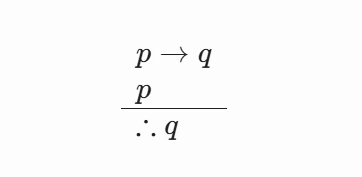
By using variables (p, q), we establish that any argument fitting this exact structural mold is universally valid. It doesn't matter if we substitute constants regarding physics, ancient history, or fictional worlds; if the structure holds, the deductive link is absolute. Thus, variables allow us to map the universal laws of thought, while constants allow us to apply those universal laws to specific, concrete real-world scenarios.
Q3. Discuss the ultimate challenges and precise methodologies involved in the "Symbolization of Everyday Language." Focus specifically on how subtle linguistic variations—such as "neither... nor," "not both," and "unless"—require distinct structural placements of parentheses and operators to prevent logical ambiguity.
Answer: Translating natural, everyday language into the precise syntax of symbolic logic is one of the most intellectually demanding aspects of philosophy. Natural languages are inherently fluid, rich with cultural idioms, and filled with semantic ambiguities. Symbolic logic, by contrast, demands absolute mathematical precision. A single misplaced parenthesis or a misunderstood idiom can completely invert the logical meaning of a text.
To successfully formalize everyday language, a philosopher must look past grammatical structures and isolate the underlying truth-functional conditions. Three notorious linguistic constructions highlight the need for this precise methodology:
1. "Neither... Nor"
The phrase "neither... nor" indicates a total, simultaneous exclusion of two distinct possibilities. When translating this, students often confuse the scope of negation.
Correct Translation Method: If we say, "Neither Athens nor Sparta retreated," we are asserting that Athens did not retreat (~A) and Sparta did not retreat (~S). This is symbolized as ~ A .~S.
Alternative Equivalency: It can also be interpreted as the complete negation of the possibility that either of them retreated: ~(A V S). By De Morgan's Laws, ~(A V S) ≡ ~ A .~ S, proving both structural placements are logically identical.
2. "Not Both"
The phrase "not both" is a conditional exclusion meaning that while one event might happen, both cannot happen at the exact same time. It is a common mistake to confuse "not both" with "neither... nor."
Correct Translation Method: If a text states, "The general could not occupy both Kyoto and Edo," it means the simultaneous occurrence of both events ($K \cdot E$) is entirely false. Thus, the negation must sit outside the parentheses: $\sim(K \cdot E)$.
Distinction: Writing this as $\sim K \cdot \sim E$ (which means he occupied neither) would completely ruin the translation, as "not both" still allows for the possibility that he occupied one of the cities.
3. "Unless"
The word "unless" is highly problematic in everyday english because it carries a psychological weight that masks its simple logical definition. Logically, "unless" functions fundamentally as a disjunction (V).
Correct Translation Method: Consider the statement, "The crop will fail unless the monsoon arrives (M)." This means that if the monsoon does not arrive (~ M), the crop will fail (F). Thus, it translates to ~ M → F.
The Disjunctive Shortcut: Through the rules of material implication, $\sim M \rightarrow F$ is logically equivalent to simply writing F V M. Therefore, the word "unless" can always be directly replaced with a wedge (V).
The Vital Role of Parentheses
In complex language, punctuation marks like commas and semicolons dictate the hierarchy of thought. In symbolic logic, this hierarchy is preserved entirely by parentheses, brackets, and braces. For example, the sentence "If Rome fell or Carthage triumphed, then history changed" requires grouping the disjunction together before pointing the conditional arrow: (R V C) → H. Without parentheses, writing R V C → H would turn the statement into an ambiguous mess where it is unclear whether $R$ stands alone or is bound to the conditional, entirely altering the validity of any argument it belongs to.
Q4. Examine the material implication operator (→ or ⊃) through a philosophical lens. Address the profound divergence between the logical definition of "If... then" (the Paradoxes of Material Implication) and our intuitive everyday use of conditional sentences involving causation or relevance.
Answer:
The material implication operator—represented by the horseshoe (⊃) or the arrow (→)—is perhaps the most controversial connective in symbolic logic. In modern propositional logic, a conditional statement p → q is defined strictly as a truth-function: it asserts that it is simply not the case that the antecedent (p) is true while the consequent (q) is false. Therefore, the statement p → q is defined as logically equivalent to ~ p V q.
This rigid mathematical definition gives rise to a massive philosophical friction when compared to how human beings intuitively use "If... then" sentences in everyday life. This friction is best illustrated by the Paradoxes of Material Implication.
The Paradoxes Defined
Because a material implication is automatically true whenever the antecedent is false, or whenever the consequent is true, we are forced to accept the following bizarre expressions as perfectly valid truths in symbolic logic:
A False Antecedent makes the conditional true: "If the Moon is made of green cheese, then Alexander the Great conquered India." Because the moon is not made of cheese, the antecedent is false, rendering the entire conditional statement logically True.
A True Consequent makes the conditional true: "If the Nile flows through Egypt, then Tokyo is a city in Japan." Because Tokyo is indeed in Japan, the consequent is true, making the entire conditional expression logically True, despite the Nile having absolutely nothing to do with Tokyo.
The Philosophical Divergence
In everyday language, when a person says "If p, then q," they are implying a deep, meaningful connection between the two clauses. They are usually asserting one of three things:
Causation: The event in p physically causes the event in q (e.g., "If you drop the glass, it will shatter").
Logical Relevance: The truth of p rationally leads to the conclusion of q.
Intentional Meaning: There is a conceptual framework binding them together.
Symbolic logic completely discards causation, relevance, and intentional meaning. It cares exclusively about the truth-values of the symbols at this exact moment. The material implication operator does not claim that p causes q; it merely claims that you will never find a situation where p occurs and q does not.
To bridge this massive gap, philosophers of logic have had to develop advanced systems outside of basic truth-functional logic—such as Modal Logic (introducing strict implication using necessity and possibility) and Relevance Logic. These advanced systems attempt to capture the true essence of human thought that basic symbolic logic intentionally flattens for the sake of pure mathematical computation.
Q5. Formulate a comprehensive comparative analysis of the five primary logical connectives. For each connective, present its linguistic signals, its precise truth-functional definitions under all possible truth-value combinations, and construct a unified truth table to demonstrate their operations simultaneously.
Answer: To master truth-functional symbolic logic, one must thoroughly understand the operational definitions of the five core connectives. These connectives act as the functional operators that determine how truth flows from simple propositions into complex compound sentences. Below is a comprehensive comparative analysis of these five foundational tools.
1. Negation (~)
Linguistic Signals: "not," "it is false that," "it is not the case that," "at no point."
Operational Definition: A unary operator that completely flips the truth-value of its component. It changes Truth to Falsity, and Falsity to Truth.
2. Conjunction (. or Λ)
Linguistic Signals: "and," "but," "yet," "however," "although," "despite," "moreover."
Operational Definition: A binary operator that asserts simultaneous truth. The compound is strictly True only if both component conjuncts are true. If even one conjunct is false, the entire conjunction is ruined and becomes false.
3. Disjunction (V)
Linguistic Signals: "either... or," "unless," "at least one."
Operational Definition: Standardly used in its inclusive sense in formal logic. The compound is True if at least one of its component disjuncts is true. It only collapses into Falsity if both components are completely false.
4. Material Implication (→ or ⊃)
Linguistic Signals: "if... then," "implies," "provided that," "only if," "is a sufficient condition for."
Operational Definition: Asserts a conditional dependency. The entire compound statement is False if and only if the antecedent is True while the consequent is False. In all other structural distributions (including whenever the antecedent is false), the conditional statement is considered true.
5. Material Equivalence (≡ or →)
Linguistic Signals: "if and only if," "is a necessary and sufficient condition for," "exactly when."
Operational Definition: Asserts an identical truth value match. The compound statement is True if both component statements possess identical truth-values (both True or both False). If their truth-values mismatch, the equivalence is false.
Unified Reference Truth Table
To fully visualize and contrast how these five operators process truth-values under every single possible real-world scenario, we can map them onto a single, unified truth table using two arbitrary statement variables, $p$ and $q$:
| Scenario | p | q | Negation (∼p) | Conjunction (p⋅q) | Disjunction (p∨q) | Implication (p→q) | Equivalence (p≡q) |
| 1 | T | T | F | T | T | T | T |
| 2 | T | F | F | F | T | F | F |
| 3 | F | T | T | F | T | T | F |
| 4 | F | F | T | F | F | T | T |
This truth table serves as the ultimate mathematical matrix for propositional logic. Every complex logical deduction or truth-table evaluation performed by a logician relies entirely on these four core structural distributions.